

OTHER GAMES
Unique medical educational simulation

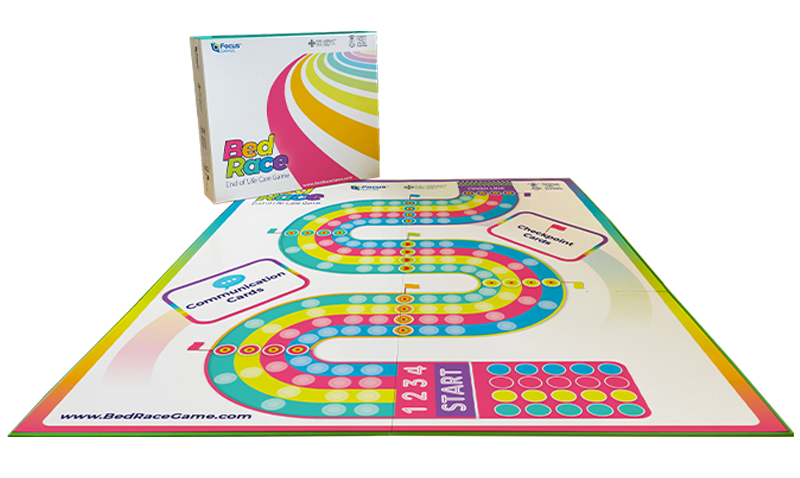
Bed Race is an evidence-informed educational simulation designed to support learning and discussion in palliative and end-of-life care.
Used by healthcare educators, universities, hospices and clinical teams, Bed Race helps learners develop knowledge, confidence and communication skills through active participation, teamwork and facilitated discussion.
Available in both tabletop and browser-based digital formats, Bed Race provides a flexible and engaging way to deliver palliative care education in a wide range of learning environments.
"Engaging way to learn about palliative care."
Designed by experienced palliative care educators and clinicians, Bed Race combines evidence-informed educational design with practical healthcare learning.
- Multi-professional education
- Facilitated discussion and reflection
- Teamwork and communication
- Applied clinical decision-making
Why Palliative Care Education Matters
Most healthcare professionals will care for patients approaching the end of life, regardless of their role, specialty or clinical setting.
Providing high-quality palliative and end-of-life care requires not only knowledge but also confidence, communication skills, empathy and an understanding of the wider multidisciplinary team.
These are often difficult topics to teach through traditional educational approaches alone.
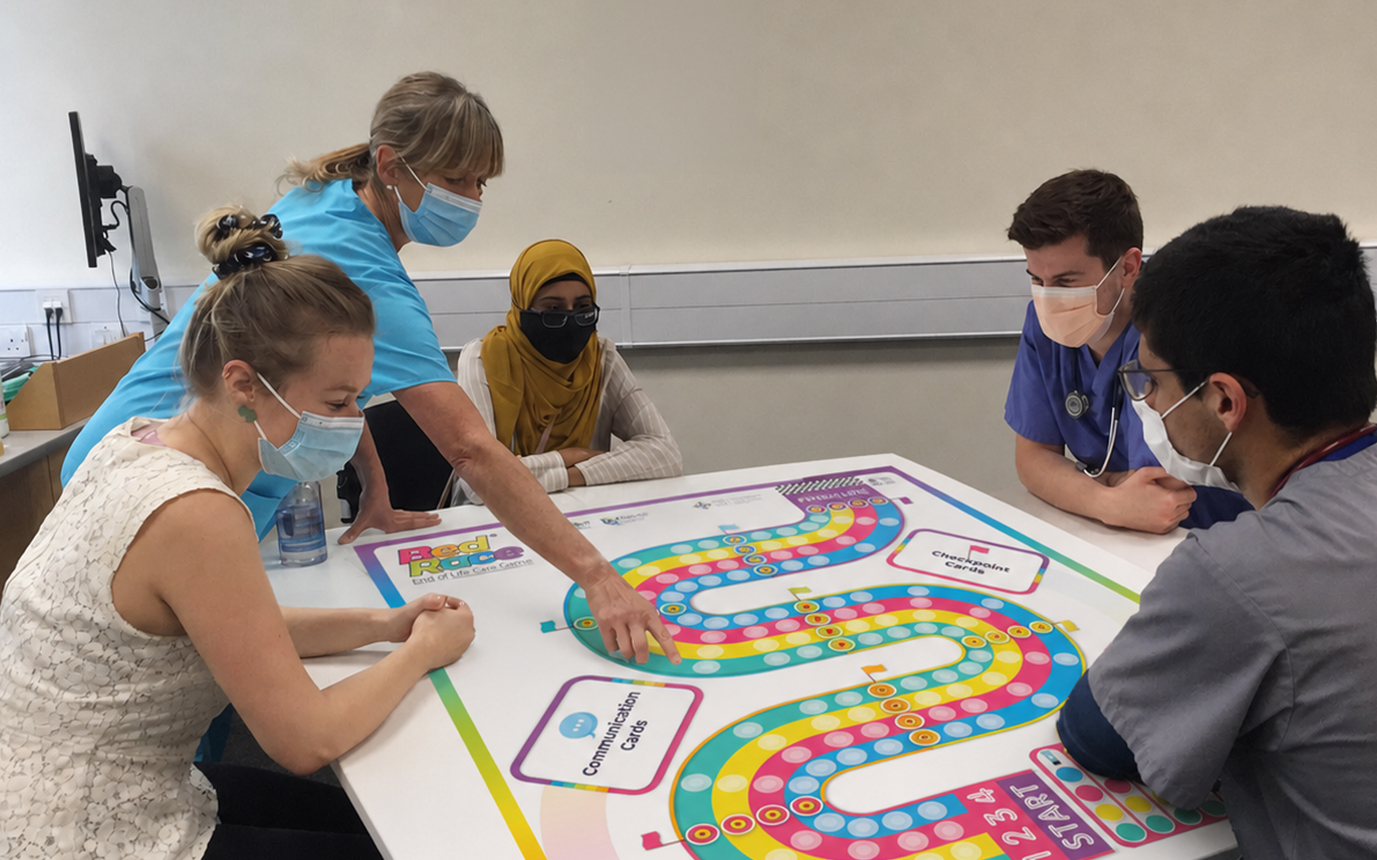
Bed Race was developed to create a safe, engaging environment where learners can explore these issues, discuss real-world challenges and learn from one another through facilitated discussion and peer learning.

Developed by Experts in Palliative Care Education
Bed Race was developed by leading educators and clinicians with extensive experience in palliative and end-of-life care, medical education and multidisciplinary workforce development.
Drawing on years of clinical practice and teaching experience, the game was designed to address real educational challenges and support meaningful discussion around complex aspects of care.
The result is an educational resource that combines clinical credibility with an engaging and accessible learning experience.

Dr Clea Atkinson BM MRCP(UK) Dip Pall Med
Dr. Clea Atkinson is Lead Consultant in Palliative and Supportive Care Cardiff and Vale University Health Board. Clea is an Honorary Senior Lecturer for Cardiff University and Bevan Commission Fellow. She has a special interest in innovation within the field of Palliative and Supportive Care.
Clea and her team won the Medi-Wales award for ‘Innovation within the NHS’ in 2019.

Dr Dylan Harris FRCP MSc FAcadMEd
Dylan is a Consultant in Palliative Medicine in South Wales and has a specific interest in medical education. At undergraduate level, he is involved in core palliative care teaching delivery, student selected component (SSC) modules in palliative care, and an examiner for clinical examinations. He has also been involved in palliative/end of life care question writing for the Medical Schools Council national bank of undergraduate examination questions. At postgraduate level, he is a module lead and MSc supervisor for the Palliative Medicine for Healthcare Professionals Masters programme at Cardiff University, and, the editor of the studyprn online exam revision resource for the palliative medicine specialty certificate examination (SCE).

Sharon Wetzig
Sharon is a Registered Nurse with experience in acute and critical care settings and expertise in health professional education.
In her current role as Learning and Development Coordinator for the Palliative Care Education and Training Collaborative, she works with multidisciplinary teams to develop engaging learning resources that build the knowledge, skills and confidence of healthcare students and professionals across Australia.
She is passionate about supporting quality, person-centred palliative care for people with life-limiting illness and their families.
Learning Through Discussion
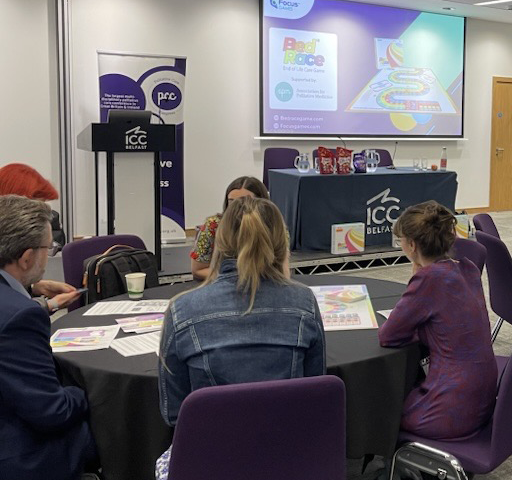
Bed Race uses game-based learning to encourage participants to discuss and explore important aspects of palliative and end-of-life care.
Rather than focusing solely on factual recall, the game promotes conversation, reflection and collaborative problem solving.
Learners share experiences, compare perspectives and apply their knowledge in a supportive environment.
The result is an educational experience that is engaging, memorable and highly adaptable to different learner groups and professional backgrounds.
How Bed Race Works
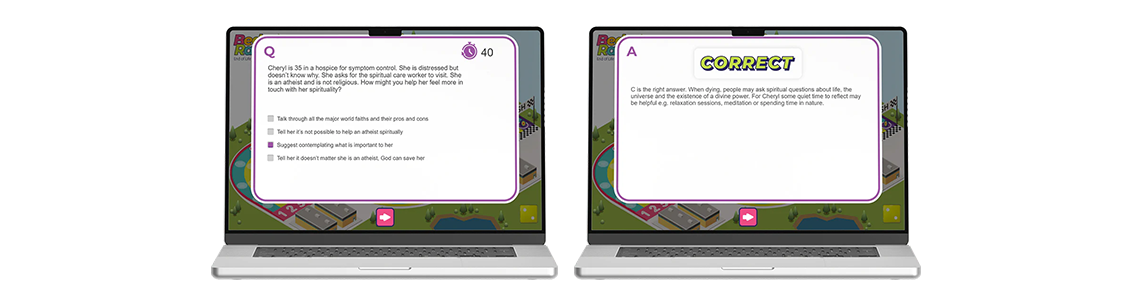
Participants compete as individuals or teams, progressing along a pathway representing the end-of-life patient journey.
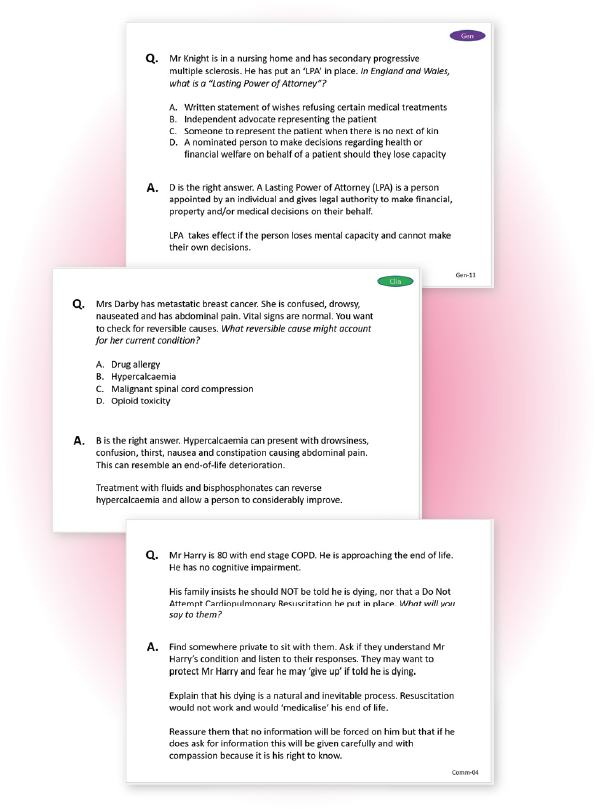
As they move through the game they answer and discuss questions covering a broad range of palliative care topics.
Correct answers earn tokens and help teams progress towards the finish line, while discussion and reflection help reinforce learning.
Topics covered include:
- General palliative care principles
- Clinical care and symptom management
- Physiotherapy and mobility
- Nutrition and diet
- Occupational therapy
- Psychological support
- Spiritual care
- Communication and difficult conversations
The game can be adapted to suit different professional groups, educational settings and levels of experience.
Evidence and Impact
Bed Race has been formally evaluated within healthcare education and has demonstrated positive outcomes for learner knowledge, engagement and confidence.
Participants consistently report that the game encourages discussion, teamwork and peer learning while providing an enjoyable and effective educational experience.
The resource has been used across universities, healthcare organisations, hospices and professional development programmes to support palliative and end-of-life care education.
Bedrace was evaluated with medical students in Wales and the results were published in BMJ Supportive & Palliative Care in 2021.
Palliative medicine education — Bed Race, The End of Life Board Game in undergraduates
‘engaging and fun’
‘peer learning and teamwork’
‘relevant learning’

Results
169 (67%) of students completed pregame and postgame anonymous quiz questions and free-text feedback.
Postgame quiz scores were higher for each topic, and the difference in the paired pregame and postgame questionnaires was statistically significant (p<0.05).
Themes from the free-text feedback included ‘engaging and fun’; ‘relevant learning’; ‘peer learning and team work’.

Conclusions
Educational board games can be successfully applied in palliative care.
One Learning Experience. Two Delivery Formats.
Bed Race delivers the same educational experience and learning outcomes through two flexible delivery options.
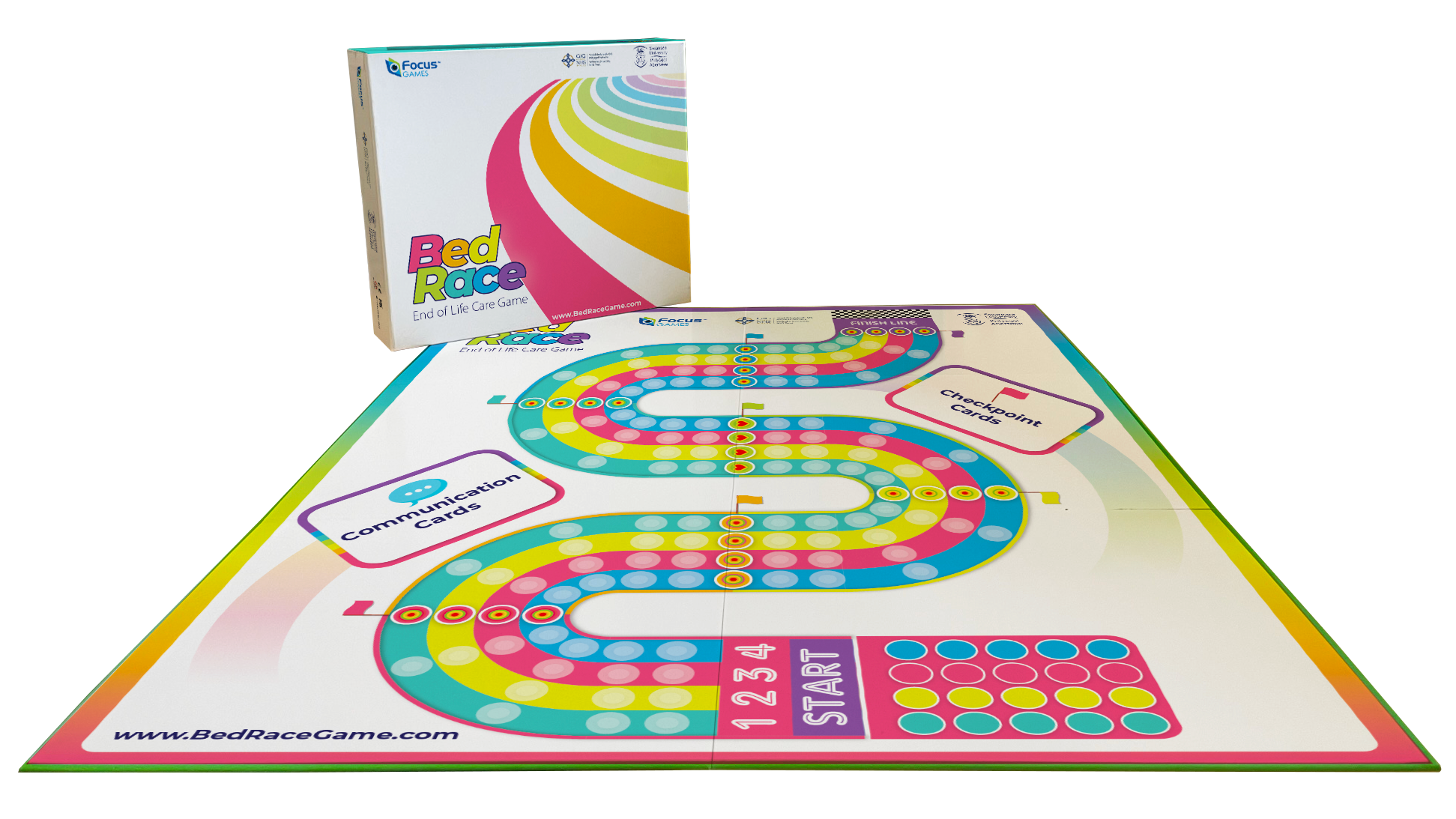
Tabletop Simulation
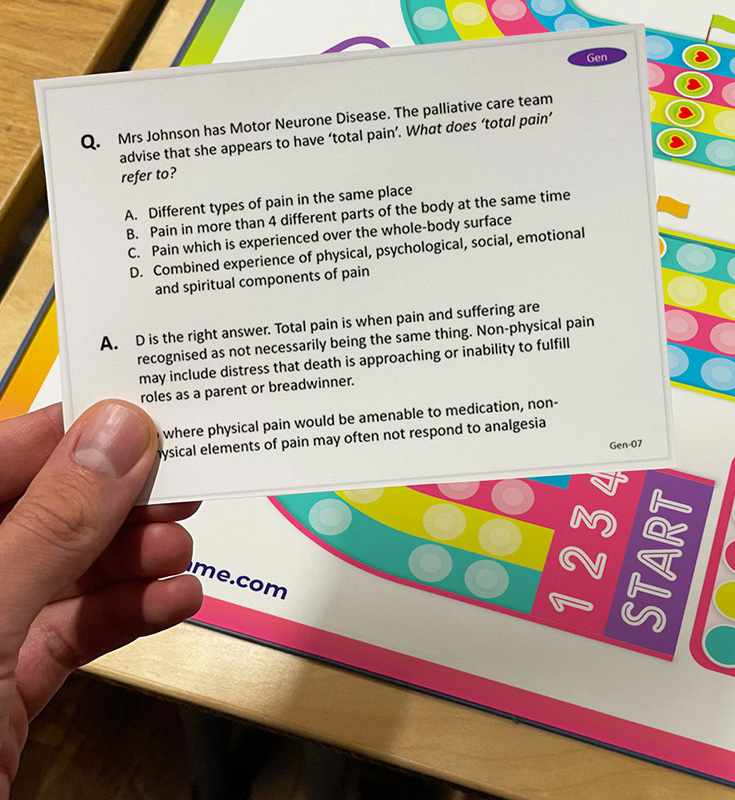
The original Bed Race learning experience.
Ideal for face-to-face workshops, classroom teaching, hospice education sessions and multidisciplinary group learning.
Benefits include:
- Physical game board and cards
- Facilitated group discussion
- Reusable educational resource
- No technology requirements
- Ideal for small group learning
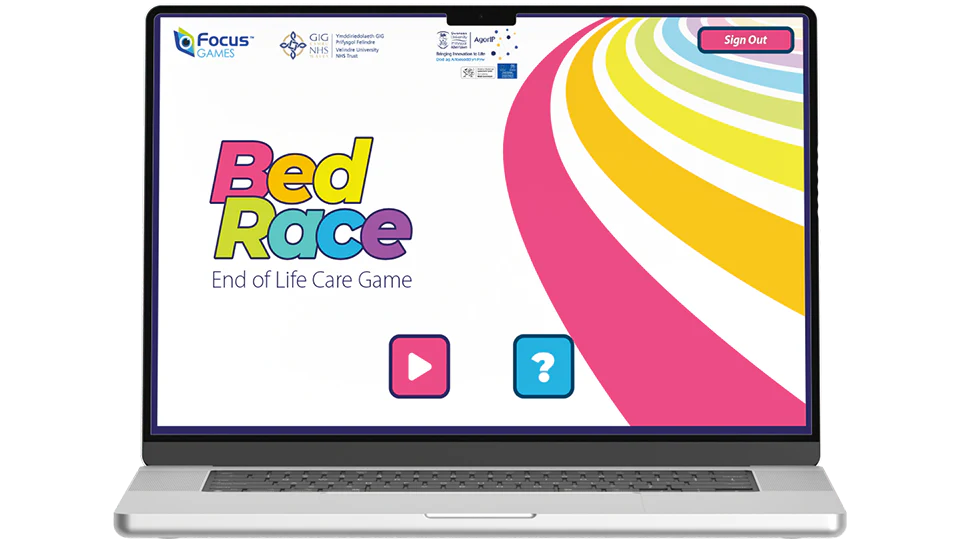
Digital Simulation
The proven Bed Race experience delivered through a browser-based platform. Ideal for remote learning, blended learning programmes, distributed teams and international delivery.
Benefits include:
- Browser-based access
- No shipping or storage requirements
- Immediate deployment
- Accessible from multiple locations
- Same gameplay and learning outcomes as the tabletop version
Which Format Is Right For You?
Whether you are delivering a university programme, hospice training, continuing professional development or multidisciplinary team education, Bed Race provides a flexible way to support learning and discussion in palliative and end-of-life care.
Choose the delivery format that best suits your learners, teaching environment and organisational needs.
“BedRace game was developed with support from AgorIP, who are part funded by the European Regional Development Fund through the Welsh Government.
Based at Swansea University’s School of Management, AgorIP helps researchers, entrepreneurs, and inventors take their intellectual property (IP) to the marketplace and make it a commercial success.”